
Can You Simply Erase Yourself Online?
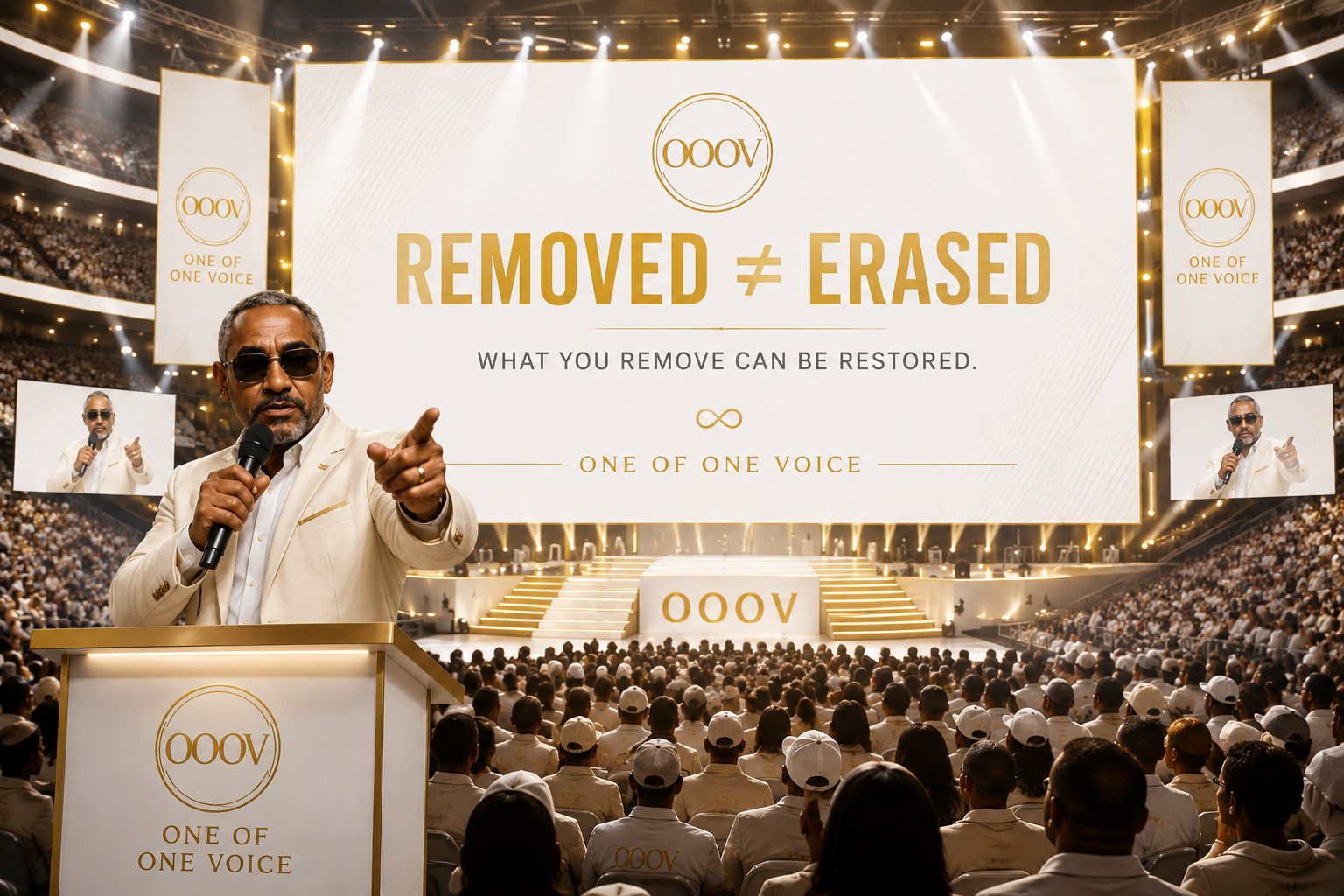
You Cannot Simply Erase Yourself From the Internet
Understanding the Difference Between Privacy, Public Records, and Your Digital History
We often hear the same advice about online privacy:
Find your personal information. Remove it. Delete everything you can.
That sounds simple.
It isn’t.
Your information exists online for many different reasons, and not every website displaying your information actually owns the original record. Some information can be removed. Some can be suppressed from search engines. Some can be corrected. And some information may remain publicly available because it is part of a legitimate historical or government record.
Understanding the difference is important before paying someone to “erase” you from the internet.
Your Digital Footprint Has Different Layers
Searching your name may reveal old addresses, businesses, professional profiles, social-media accounts, property information, court records, corporate filings, books, photographs, articles, phone numbers, email addresses and information collected by data brokers.
But those records aren’t all the same.
A people-search website might have copied an address from another source.
A search engine might simply be indexing a page maintained by somebody else.
A state government might maintain a historical business filing.
An old company may still appear in corporate databases years after it stopped operating.
Removing the Google result does not necessarily remove the original record.
Removing a data-broker listing doesn’t necessarily remove the government record from which the information originated.
And removing information from one website doesn’t guarantee that another company hasn’t already copied it.
That is why “delete my information from the internet” is not really one action.
Some Information Can Be Removed
Data brokers and people-search companies often provide procedures for requesting removal or opting out.
Search engines may also remove certain sensitive personal information from their search results under qualifying circumstances.
You can delete or modify information on websites and social-media accounts you control.
These are valuable privacy tools.
But removal has limits.
Once information has existed publicly, copies may have been indexed, archived, downloaded, republished or incorporated into other databases.
Removal therefore should not always be understood as:
“This information no longer exists anywhere.”
Sometimes it means:
“This information has become substantially more difficult to find.”
That is still valuable—but it is an important distinction.
Public Records Are Different
Government records create another challenge.
Business registrations, property records, certain court documents, professional licenses and other government records may legally be available to the public.
A private data broker might remove its copy after receiving a request.
The underlying government record may remain.
That doesn’t necessarily mean something went wrong with the removal process. The two organizations serve completely different purposes.
Historical records also have value.
An old business filing can demonstrate that a company actually existed.
A publication record can establish when an author began publishing.
An archived website can show how an organization developed.
A professional profile can document years of work.
Not every old piece of information is automatically something that needs to disappear.
Old Does Not Always Mean Dangerous
This is where privacy requires judgment.
Suppose an online database contains a ten-year-old address where you no longer live.
That information is personal, but it may not present the same risk as publishing your current location.
Likewise, an old business telephone number that has been disconnected is different from your current private mobile number.
Privacy should therefore focus heavily on whether information can hurt you now.
Information deserving greater attention can include:
current home or sleeping location;
Social Security numbers and sensitive identification information;
active financial account information;
current private telephone numbers and email addresses;
passwords and authentication information;
information useful for identity theft or account recovery; and
location or routine information that could allow someone to physically track you.
Those are fundamentally different from an old business address or the name of a company you operated years ago.
Your Digital History Can Also Be Evidence
There is another side of this conversation that receives far less attention.
Sometimes your online history is worth preserving.
People frequently clean up their internet presence because they want their search results to present the best possible version of themselves.
But a perfectly polished digital history can erase something valuable:
the journey.
An old business that closed isn’t automatically evidence of failure.
A career change isn’t automatically failure.
A project that ended isn’t automatically failure.
A relationship ending isn’t automatically failure.
People change directions.
They learn.
They choose another path.
They rebuild.
They begin something else.
Years later, those records can demonstrate that someone’s accomplishments didn’t appear overnight.
The dates existed before the success.
The businesses existed before the recognition.
The books existed before the audience.
The work existed before anyone cared to look.
That can be powerful evidence of authenticity.
Search. Identify. Classify. Then Decide.
Instead of automatically deleting everything you discover about yourself, consider a more deliberate process:
SEARCH → IDENTIFY → CLASSIFY → DECIDE
Ask four questions:
Is it actually mine?
People with similar names are frequently mixed together by search engines and data brokers.
Is it accurate?
False information should generally be corrected or challenged when possible.
Is it dangerous today?
Current sensitive information deserves much greater attention than harmless historical information.
Does it have historical value?
An authentic record of your work, businesses, publications and experiences may someday tell your story better than a biography ever could.
Only after answering those questions should the decision become:
KEEP → WATCH → CORRECT → REMOVE
Privacy Does Not Require Erasing Your Past
Digital privacy should not necessarily mean disappearing.
It can mean controlling what deserves protection while allowing legitimate history to remain history.
Remove what creates unnecessary present-day risk.
Correct what is false.
Monitor what could become dangerous.
Protect what is truly private.
But before deleting everything else, consider whether you’re eliminating information simply because it belongs to an earlier chapter of your life.
You are allowed to have changed directions.
You are allowed to have tried things.
You are allowed to have businesses that no longer operate, ideas that evolved, relationships that ended and plans that changed.
Those records don’t necessarily document failure.
They document existence.
And sometimes the strongest evidence of who you eventually become is the record showing who you were—and all the different paths you took to get there.
Your Thoughts Matter, even when others feel they do not.
One of One Voice
