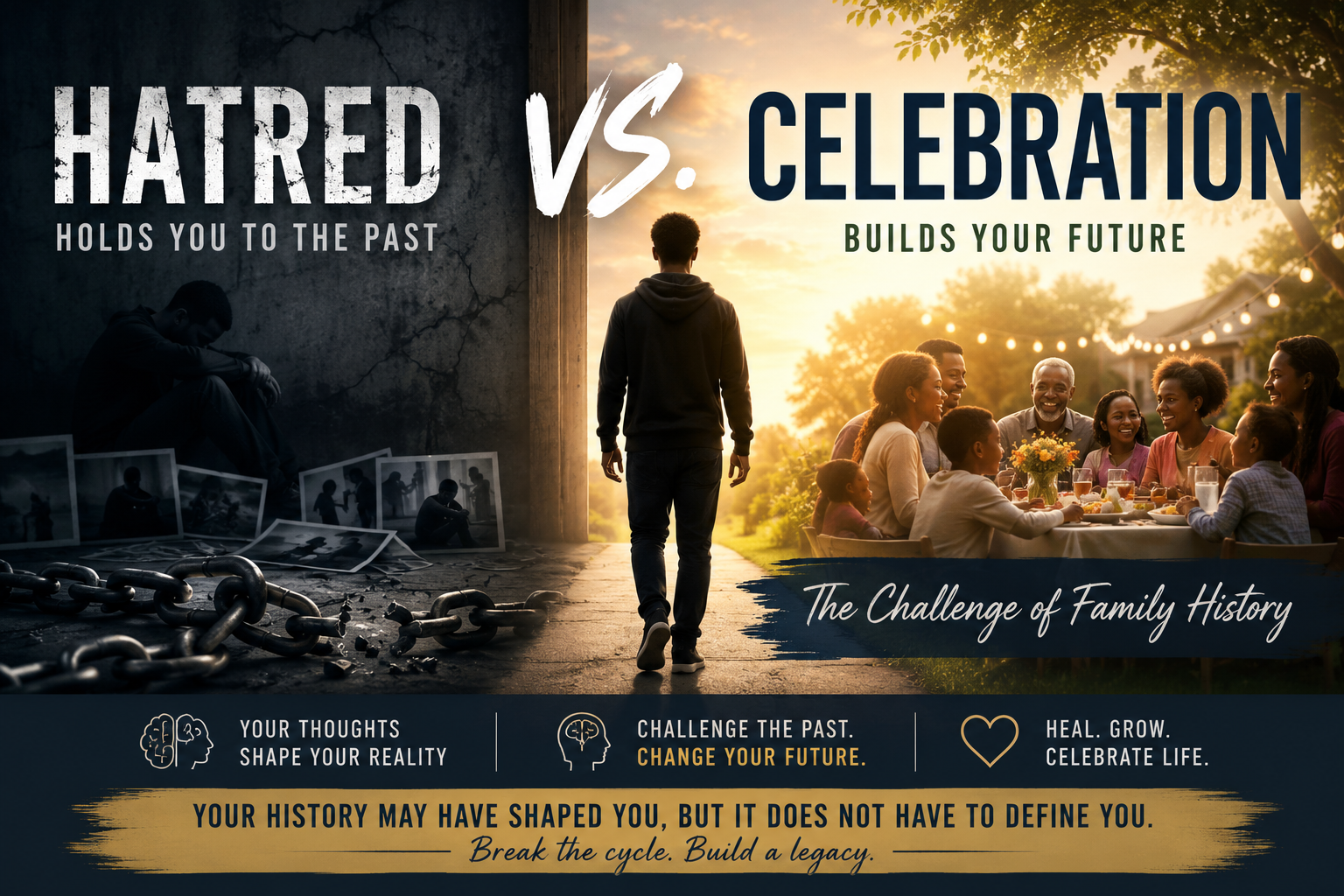
Hatred vs. Celebration: The Challenge of Family History
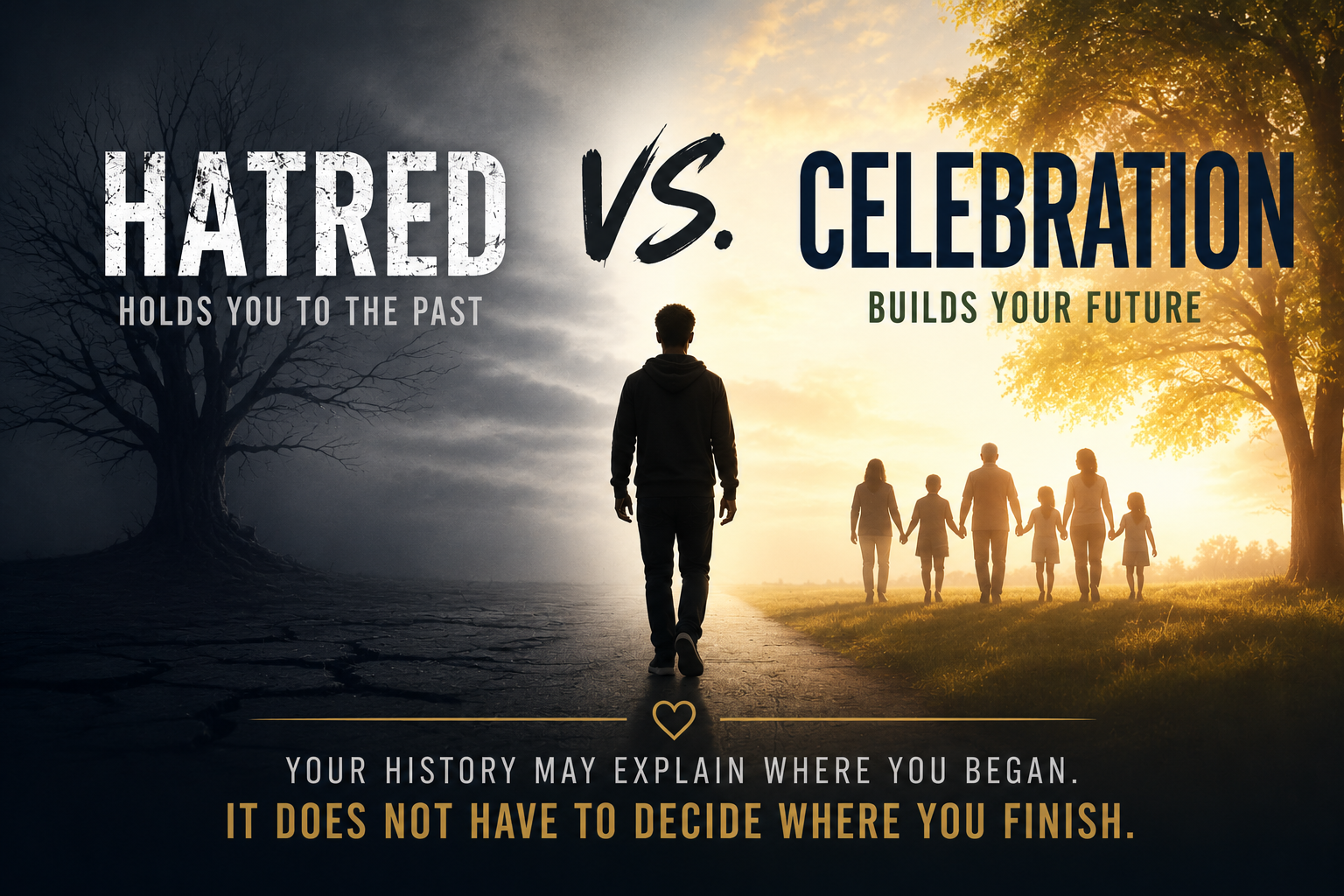
Hatred vs. Celebration: The Challenge of Family History
Family celebrations can be some of life’s happiest moments, but they can also be some of the hardest. Birthdays, holidays, reunions, and anniversaries often bring families together, yet they may also awaken memories of rejection, betrayal, neglect, or loss. While one person celebrates the present, another quietly relives the past.
Psychology, particularly Cognitive Behavioral Therapy (CBT), reminds us that our thoughts, emotions, and behaviors are closely connected. Our experiences create patterns of thinking that influence how we interpret new situations. A simple family gathering may feel welcoming to one person but threatening to another because their mind has learned to expect hurt instead of acceptance.
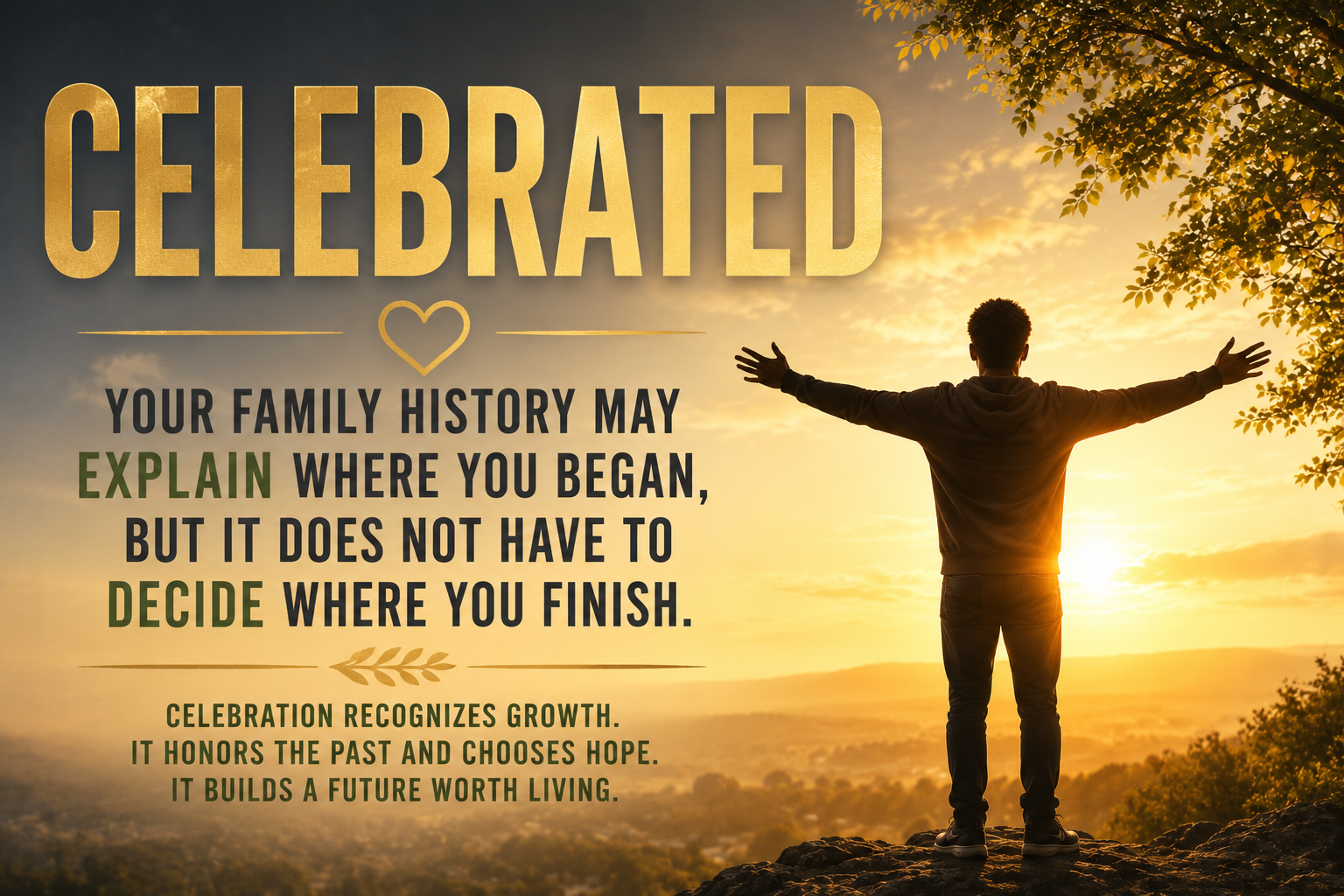
Healing does not mean denying painful experiences or pretending everything is fine. It means recognizing that while our past helps explain our reactions, it does not have to control them forever. By challenging old beliefs, examining the evidence, and allowing room for new experiences, we begin creating healthier ways of thinking and responding.
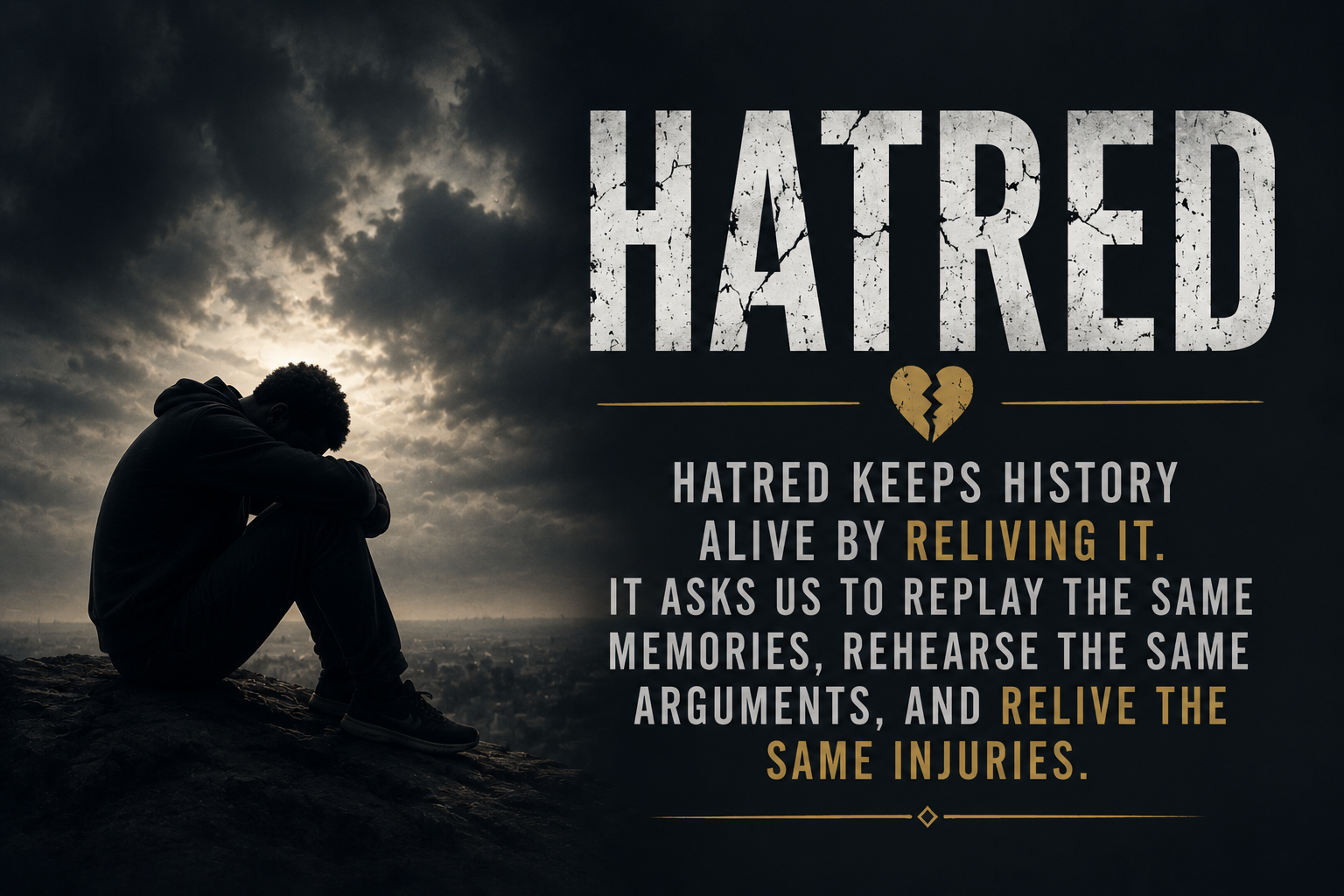
Hatred often keeps us emotionally tied to the very people or events that wounded us. Celebration, on the other hand, is not about ignoring history or excusing harmful behavior. It is about recognizing growth, protecting our peace, and choosing not to let yesterday steal today’s opportunities. Sometimes the greatest celebration is simply becoming the person your past said you could never be.
Our family history may shape our beginning, but it does not have to define our ending. Every generation has the opportunity to break unhealthy patterns and build a new legacy—one conversation, one healthy choice, and one act of courage at a time.
Your thoughts matter… even when others feel they do not.